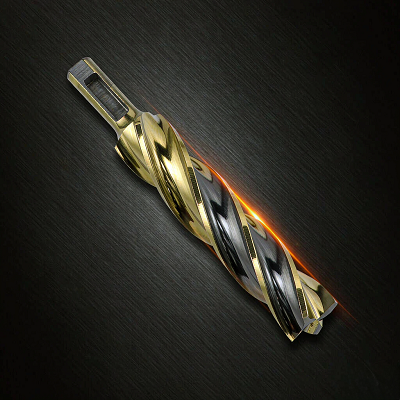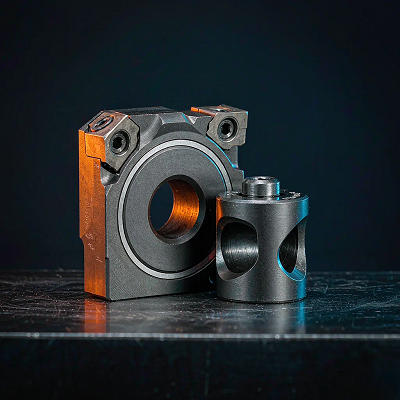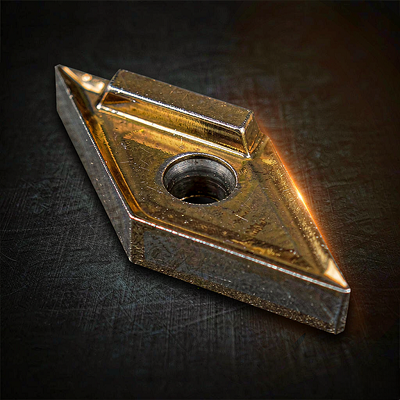
PVD coatings are applied at lower temperature and stay thinner, so they preserve a keen cutting edge and tolerate the interrupted cuts typical of milling. That makes them the usual first choice for stainless steels, where built-up edge and work hardening punish a blunt edge.
CVD coatings are thicker and more heat resistant, which suits long, continuous cuts in steel and cast iron at higher surface speeds. In stainless milling, however, the thicker layer can round the edge and promote smearing. Start with a sharp PVD geometry, keep a light but consistent chip load, and only move to CVD when tool life — not edge integrity — is the limiting factor.
General guidance only. Confirm geometry and cutting values against your machine setup.