
News & Insights
Three editorial tracks: company news from our factory, industry news on materials and standards, and hands-on technical knowledge from our tooling engineers.
PVD vs CVD Coated Milling Inserts: How to Choose for Stainless Steel
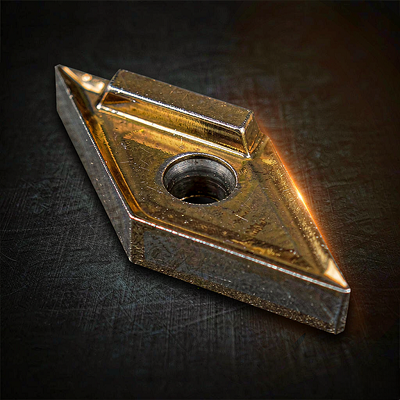
Coating type decides edge sharpness and heat resistance. This guide explains when PVD wins, when CVD wins, and the one mistake that kills inserts in 304/316.
Read story →
Tungsten & Cobalt: Why Raw Material Volatility Shapes Insert Pricing
Cemented carbide starts at the mine. Understanding what moves tungsten and cobalt markets helps buyers read a quotation — and decide when to lock in a standard-item order.
Read story →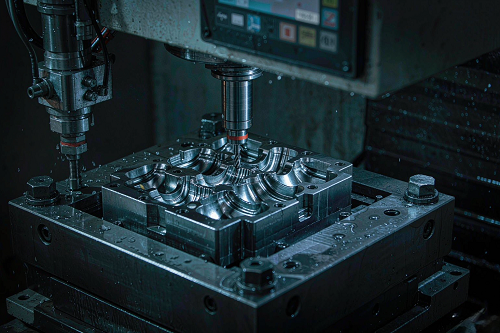
High-Feed Milling vs. Conventional Roughing: A Cycle-Time Comparison
Small ap, large fz, and a shallow entry angle change where the force goes. Here is how to judge whether high-feed roughing actually shortens your cycle.
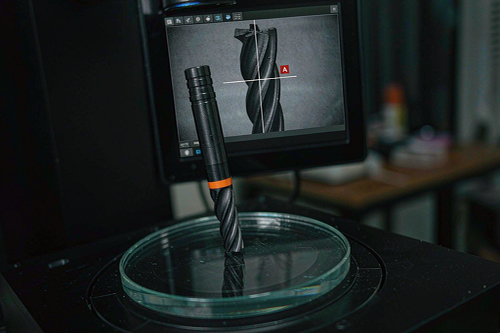
Read story →Inside Our QC Lab: How Every Batch of Inserts Is Verified Before Shipping
From dimensional checks to coating inspection — a walkthrough of the verification workflow behind every DulinkCarbide shipment.
Read story →
ISO 13399 and the Shift to Machine-Readable Tool Catalogs
Why buyers increasingly expect parameter names, not just marketing labels — and what a structured product data sheet should contain.
Read story →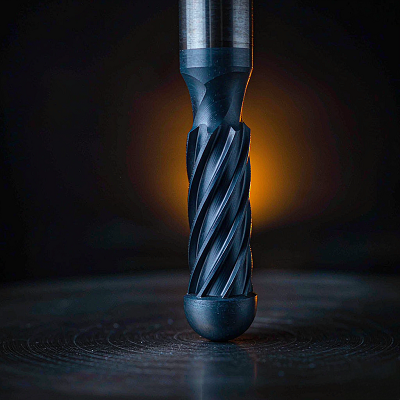
Ball Nose End Mill Selection for Hardened Steel: R Tolerance Matters
Why radius tolerance dominates surface quality in die finishing — and what to ask your supplier before ordering.
Read story →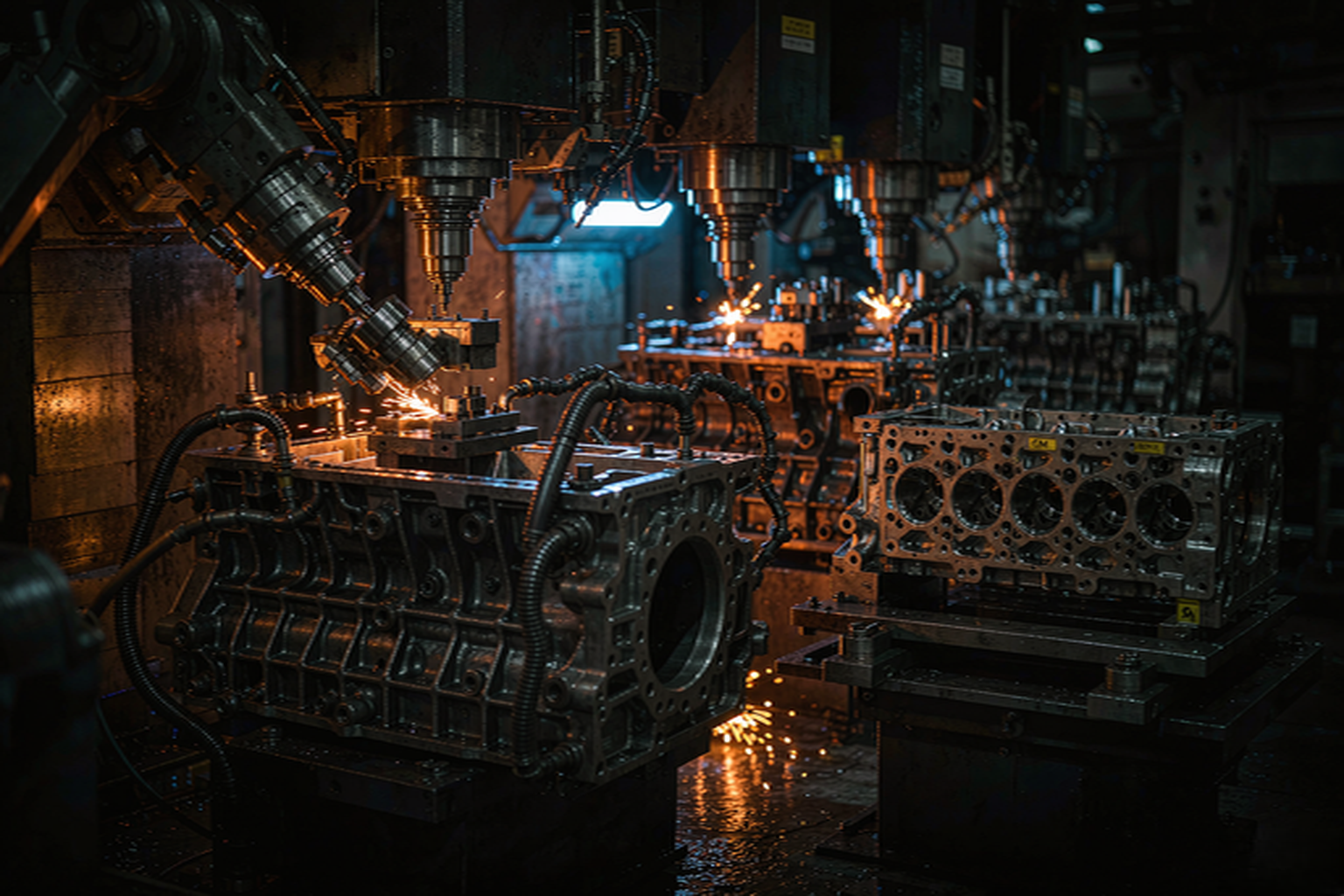
Face Milling Cast Iron: 5 Settings That Extend Insert Life
Entry angle, cutter position, dry vs wet — five field-proven adjustments for gray iron and ductile iron face milling.
Read story →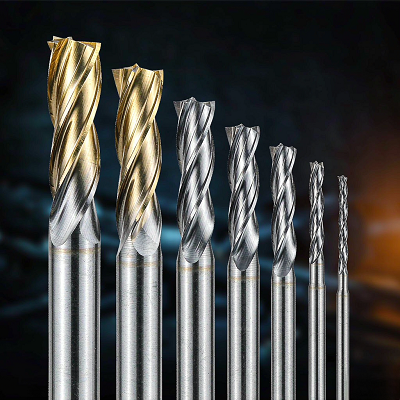
DulinkCarbide Expands Solid Carbide Line: Ball Nose Series Now in the Catalog
Ball nose and multi-flute end mills for hardened steel and profiling work join the standard assortment, with full product data on every model page.
Read story →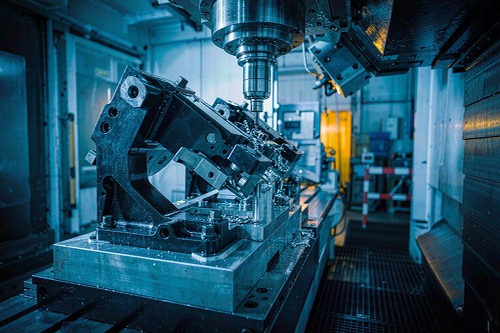
What Aerospace Titanium Machining Demands from Milling Tools
Low thermal conductivity, long chips and strict surface integrity requirements push tooling choices in a very specific direction.
Read story →Subscribe to Our Newsletter
Get milling tool insights in your inbox.
