
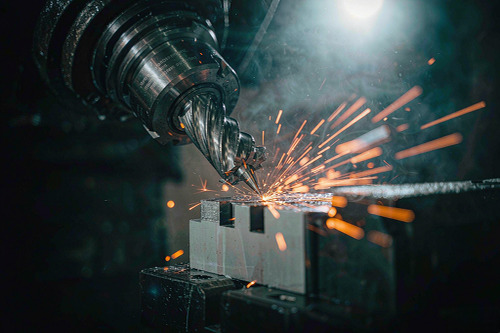
Precision Milling Tools,
Engineered for Productivity
Milling inserts, indexable milling cutters and solid carbide end mills — ISO-standard dimensions, controlled carbide substrate, and factory-direct pricing for machinists and distributors in 30+ countries.
Three Core Milling Categories
Every model follows ISO-standard naming and dimensions — fully interchangeable with mainstream brands you already use.
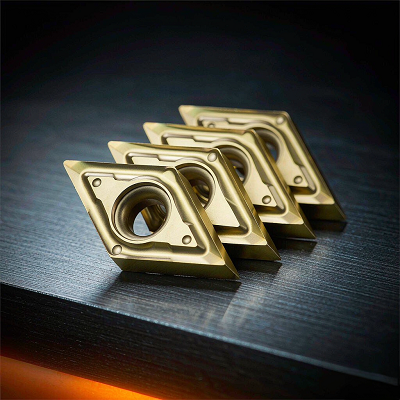
Milling Inserts
ISO-geometry carbide inserts with PVD / CVD coatings for steel, stainless, cast iron and HRSA.
Explore Inserts →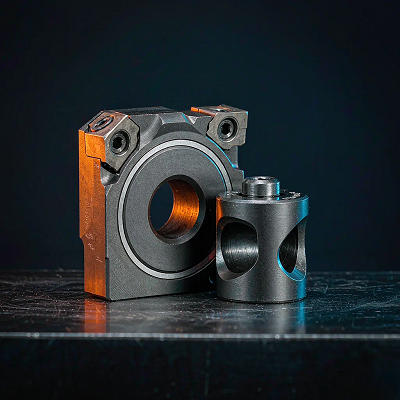
Indexable Milling Cutters
Cutter bodies and face mills Ø16–315 mm, precision-machined pockets, matched to our insert series.
Explore Cutters →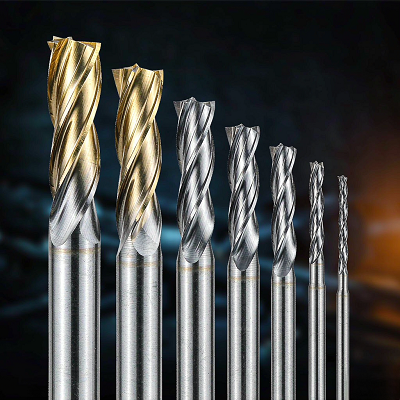
Solid Carbide End Mills
General-purpose, aluminum and ball nose end mills, Ø1–20 mm, HRC55–HRC65 substrate options.
Explore End Mills →Hot Milling Tools
Shoulder Milling Inserts APMT1135PDER-H2
Face Milling Inserts SNMA120408
Face Milling Cutters DM45-050B22-SN12
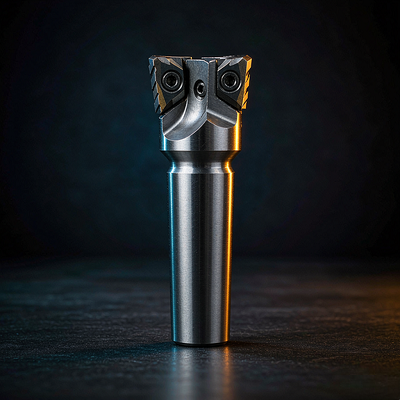
Shoulder Milling Cutters DM90-16A16-AP11
A Tooling Partner, Not Just a Supplier
Carbide Substrate & Coating
DM-series substrates and coatings developed in our own lab — stable quality batch after batch.
ISO-Standard Dimensions
Every insert and cutter is dimensionally interchangeable with mainstream brands — zero re-setup.
24h Quotation
Send your model list or drawing — a real engineer replies with pricing and stock status in 24 hours.
OEM & Custom Tooling
Private-label standard tools and fully customized specials — one factory, one point of contact.

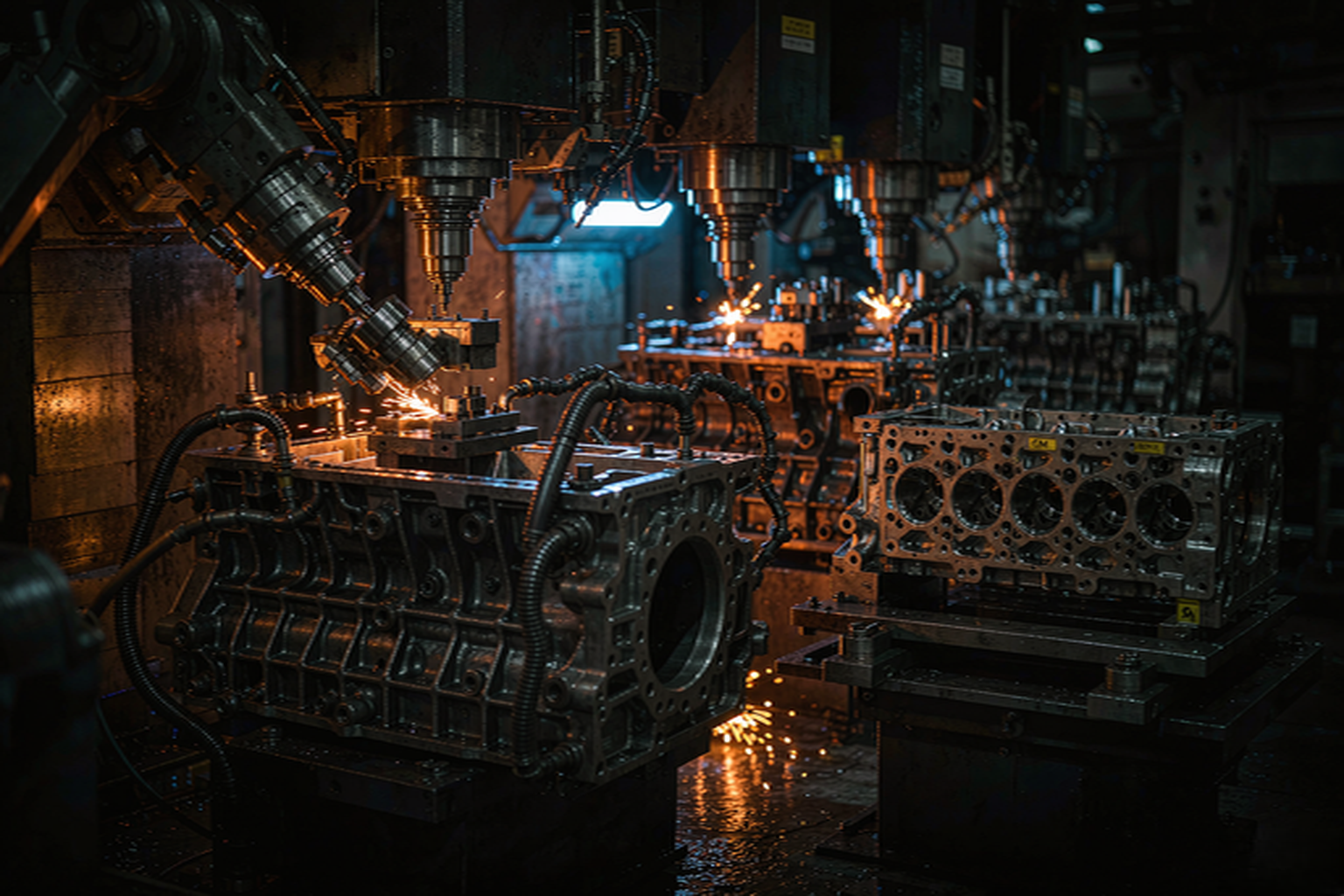
News & Technical Articles
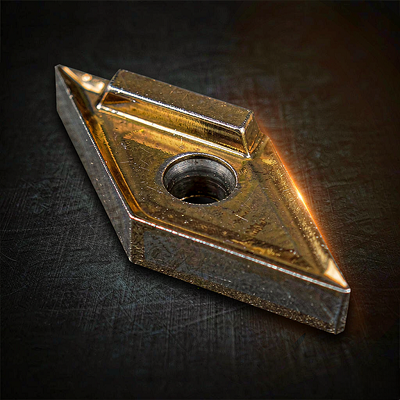
PVD vs CVD Coated Milling Inserts: How to Choose for Stainless Steel
Coating type decides edge sharpness and heat resistance. This guide explains when PVD wins, when CVD wins, and the one mistake that kills inserts in 304/316.
Read story →
Tungsten & Cobalt: Why Raw Material Volatility Shapes Insert Pricing
Cemented carbide starts at the mine. Understanding what moves tungsten and cobalt markets helps buyers read a quotation — and decide when to lock in a standard-item order.
Read story →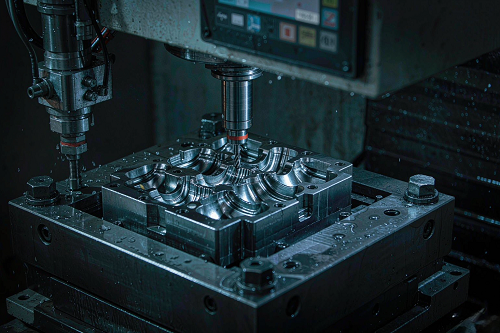
High-Feed Milling vs. Conventional Roughing: A Cycle-Time Comparison
Small ap, large fz, and a shallow entry angle change where the force goes. Here is how to judge whether high-feed roughing actually shortens your cycle.
Read story →